
Klue is built for companies running a structured competitive intelligence program. It combines competitive monitoring, battlecards, enablement workflows and formal win-loss research. For companies with a dedicated competitive intelligence or product marketing team, that breadth can make sense.
Many teams searching for Klue alternatives have a narrower problem.
Their sales reps keep meeting the same competitors and need better answers during deals. Their battlecards exist, but nobody is sure whether they are current. Competitive information sits across CRM records, call recordings, Slack conversations and documents, while someone in sales enablement or product marketing tries to keep everything up to date.
Those teams do not necessarily need to build a larger competitive intelligence program. They need competitive guidance that sales reps can find quickly, trust during a deal and improve with information coming back from the field.
This guide compares ten Klue alternatives across three different categories:
- Free and DIY battlecard tools,
- Purpose-built competitive intelligence platforms, and
- Broader market intelligence products.
Disclosure: Playwise HQ is one of the products covered in this comparison, and we build it. The recommendations below therefore reflect our point of view. We have also included alternatives that are better suited to particular use cases, including several free options.
Why teams look for a Klue alternative
The right alternative depends on why Klue does not fit your requirements. Four differences matter most.
- The first is implementation. Klue is designed to support a broader competitive intelligence operation rather than simply generate a few battlecards. G2 reviewers report implementation periods of roughly two months and mention setup and learning requirements among the trade-offs. That may be reasonable for a company establishing a formal CI program. It is less attractive if sales needs usable competitive guidance immediately.
- Pricing is another consideration. Klue does not publish self-service pricing in the sources reviewed for this article. Buyers generally need to speak with the company and receive a custom quote. That makes it harder for smaller teams to compare the cost of starting with a limited number of users or competitors.
- The third difference is ownership. A platform like Klue works best when someone is responsible for competitive intelligence. That person may manage coverage, curate information, maintain battlecards and report on the program. Smaller organizations often expect a sales manager, founder or enablement lead to handle those tasks alongside another job.
- The final issue is scope. Klue has substantial win-loss research capabilities, including buyer interviews, AI-assisted interviewing, blindspot interviews and structured win-loss analysis. Companies that want a formal research program may value that depth. A company that mainly needs sales-facing win-loss themes and battlecards may not need the same scope.
If your company has a dedicated CI team, a formal research process and the budget to support it, Klue may still be the right choice. If your main problem is helping reps compete more effectively in active opportunities, other products may fit more closely.
Should you start with a free or paid Klue alternative?
Before comparing software, decide whether you need dedicated software yet.
A company that has never used competitor battlecards can test the process without committing to a large platform. Create cards for the two or three competitors your sales team encounters most often, give them to reps and watch what happens.
If reps use the cards and the content remains manageable, a free tool may be enough for now.
Free options tend to work best when the competitor set is small, one person owns the content and sales reps mainly consume information rather than contribute new intelligence.
The limitations become clearer as the program grows. Cards start going stale. Different versions appear. Useful information remains in calls or Slack conversations. Reps stop checking the content because they no longer trust it. Someone spends more time maintaining the system than expected.
Those problems are usually a better reason to buy competitive intelligence software than the simple desire to have more features.
Best free Klue alternatives
| Rank | Tool | Free option | Best suited to |
|---|---|---|---|
| 1 | Playwise HQ | Free plan for up to 5 users and 5 battlecards | Teams that want a purpose-built battlecard product without paying initially |
| 2 | Notion | Free plan and battlecard templates | Teams comfortable building their own structured competitor workspace |
| 3 | Google Slides / Drive | Available through Google Workspace | Small teams that need simple shareable battlecards |
| 4 | Canva | Free plan and battlecard templates | Teams prioritising the visual design of individual battlecards |
| 5 | Confluence | Free tier for small teams | Atlassian users who want competitor material alongside existing documentation |
| 6 | SharePoint | Commonly included in Microsoft 365 | Microsoft environments where governance and document control matter |
Among these options, Playwise HQ differs because competitive battlecards are the product rather than something the user builds inside a general workspace.
Notion, Google Drive, Canva, Confluence and SharePoint can all store useful competitive material. Their cost is partly transferred into internal work. Someone still has to design the structure, maintain content, manage versions and decide how information from sales gets incorporated.
Best paid Klue alternatives
| Rank | Tool | Pricing approach | Best suited to |
|---|---|---|---|
| 1 | Playwise HQ | Pro from $250/month, Enterprise from $450/month | Sales teams focused on battlecards, objection handling and field intelligence |
| 2 | Crayon | Quote-based, influenced by competitor count | Companies that want broad competitor monitoring |
| 3 | Kompyte | Quote-based annual plans | Marketing-oriented competitive monitoring, particularly for Semrush users |
| 4 | Contify | Quote-based with a 7-day trial | Multilingual competitive and market monitoring across several functions |
| 5 | AlphaSense | Quote-based per seat | Market, company and financial research |
| 6 | Notion, Confluence or SharePoint | Per-seat or already included in existing software spend | Companies prepared to build and maintain their own system |
Playwise HQ publishes its starting prices. Klue, Crayon, Kompyte, Contify and AlphaSense use quote-based pricing in the sources reviewed for this article.
1. Playwise HQ: a Klue alternative built around sales battlecards
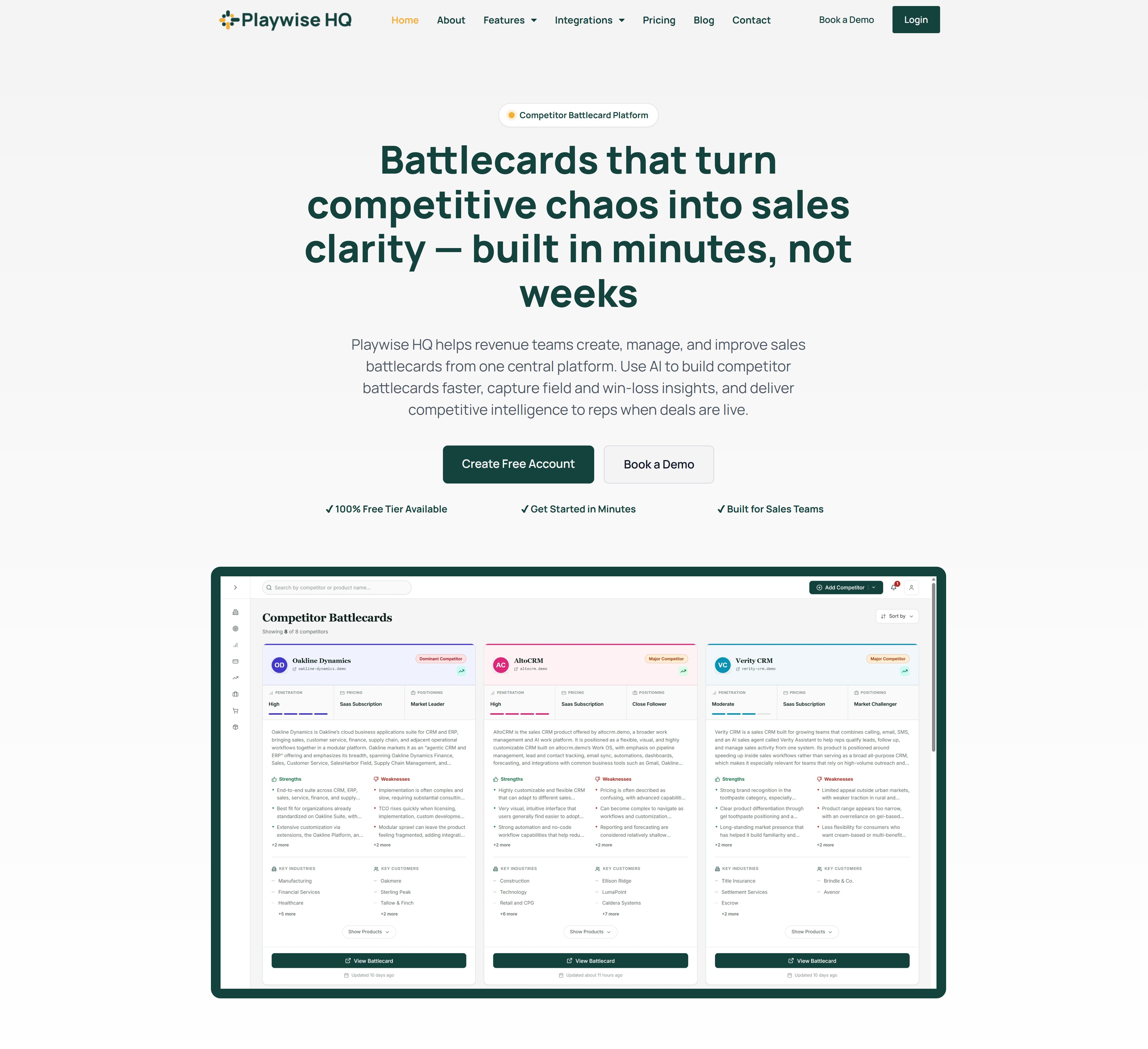
Playwise HQ focuses on a narrower part of competitive intelligence: helping sales reps respond to competitors in active deals.
Teams add the competitors they track and use AI to create initial battlecards. The product then provides workflows for maintaining those cards and adding information gathered by the sales team.
- AI competitor battlecards are the central product rather than one feature within a larger market intelligence platform. The cards are designed to give sellers concise guidance they can use during calls and deal preparation.
- Persona-based objection handling lets teams organize responses around the type of buyer a rep is speaking with instead of maintaining one generic objection response for every situation.
- Sales-sourced competitive insights provide a structured way for reps to submit what they hear during deals. Submitted information can be reviewed before it becomes part of the guidance used by the rest of the team.
- Competitive deal outcomes and win-loss themes connect CRM opportunity information with competitive guidance. The objective is to use patterns from actual deals when updating battlecards and coaching sellers.
The product also includes ownership, review and versioning workflows, along with integrations for systems including Slack, HubSpot, Salesforce, Pipedrive, monday.com CRM and Zoho.
This approach assumes sales reps are an important source of competitive information. Instead of relying only on external monitoring, teams can incorporate what buyers say during opportunities, subject to review and approval.
Playwise HQ has a free plan for up to 5 users and 5 battlecards. Pro starts at $250 per month and Enterprise starts at $450 per month. Current pricing is available on the Playwise HQ pricing page.
Klue has broader capabilities in areas where Playwise HQ is intentionally narrower. Its formal win-loss research offering includes AI interviewing, expert-led interviews, blindspot interviews with buyers who did not enter the pipeline and structured win-loss research workflows. Companies running a dedicated research program may prefer that depth.
Klue also provides broader support for companies treating competitive intelligence as an enterprise program rather than primarily as a sales execution problem.
Choose Playwise HQ when your main requirement is getting battlecards, objection guidance and competitive insights into the hands of sellers without establishing a larger CI operation.
For a direct comparison, see Playwise HQ vs Klue.
Free and DIY approaches to competitor battlecards
Dedicated competitive intelligence software is not the only way to manage battlecards. General productivity and documentation tools work well for small programs, particularly when one person is responsible for keeping everything current.
Their limitation is usually maintenance rather than initial creation.
2. Notion
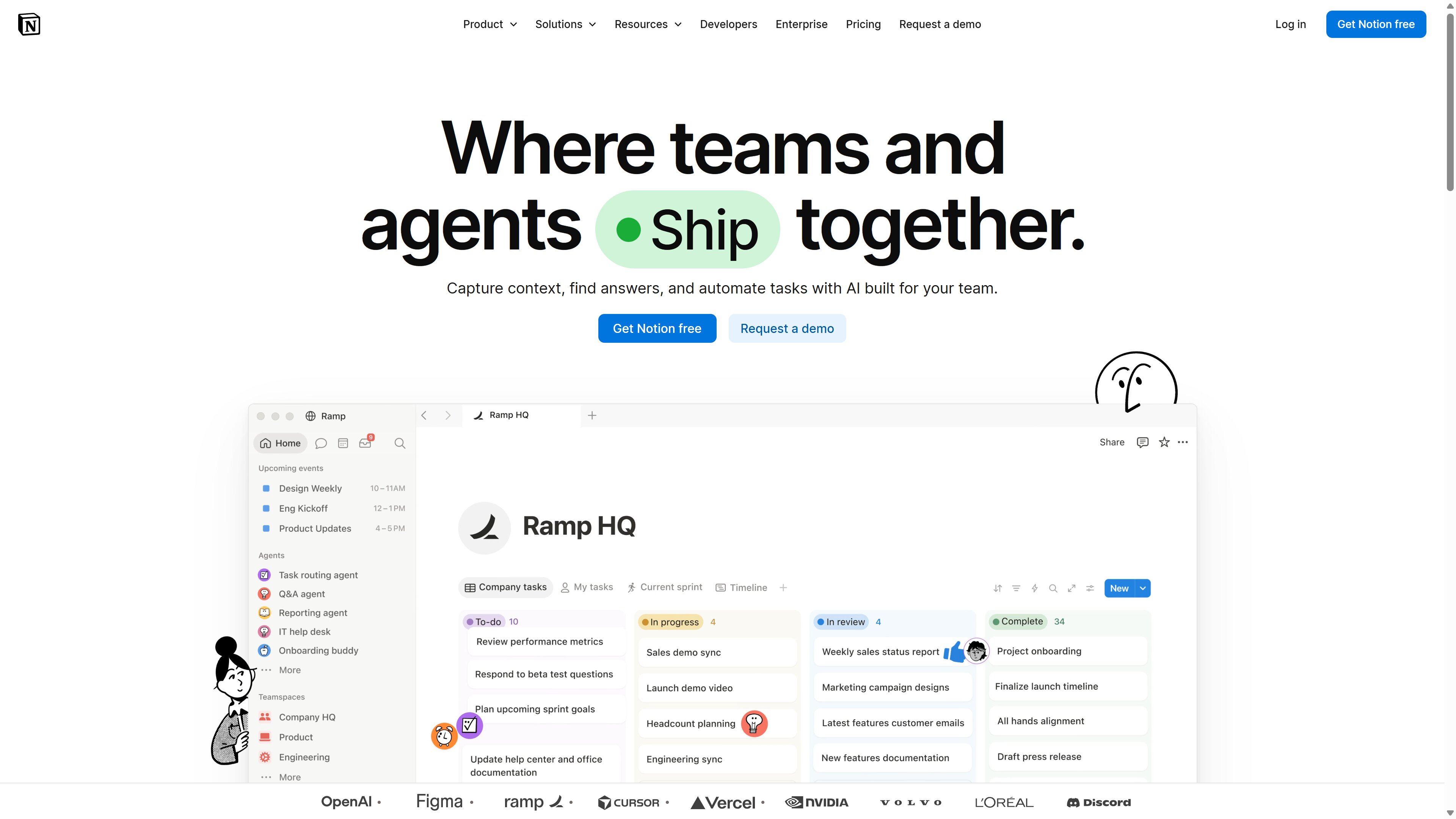
Notion is one of the more flexible options for building a competitor battlecard system yourself.
A team can create a competitor database, define a reusable battlecard template and add properties for pricing, strengths, weaknesses, objection responses, ownership and review dates. Notion AI can also help draft or summarise material.
For a small company tracking two or three competitors, that may be enough.
The work begins to increase as the competitor set and sales team grow. The company has to decide which fields to use, how cards should be structured, who can edit them, how reviews work and how sellers find the right page.
Retrieval is another consideration. A battlecard can contain good information and still fail if a rep does not open it during a deal. As pages become longer or the workspace becomes more complex, sellers may find it easier to rely on memory instead.
Staleness creates a similar problem. Notion can store a review date, but somebody still has to complete the review and update the material. Once reps stop trusting that a page is current, usage can decline quickly.
Notion is a good option for building your first few competitor battlecards and learning what your sales team needs.
Playwise HQ provides a free Notion competitor battlecard template for teams taking this approach.
For a more detailed comparison, see Playwise HQ vs Notion for battlecards.
3. Google Drive, Docs and Slides
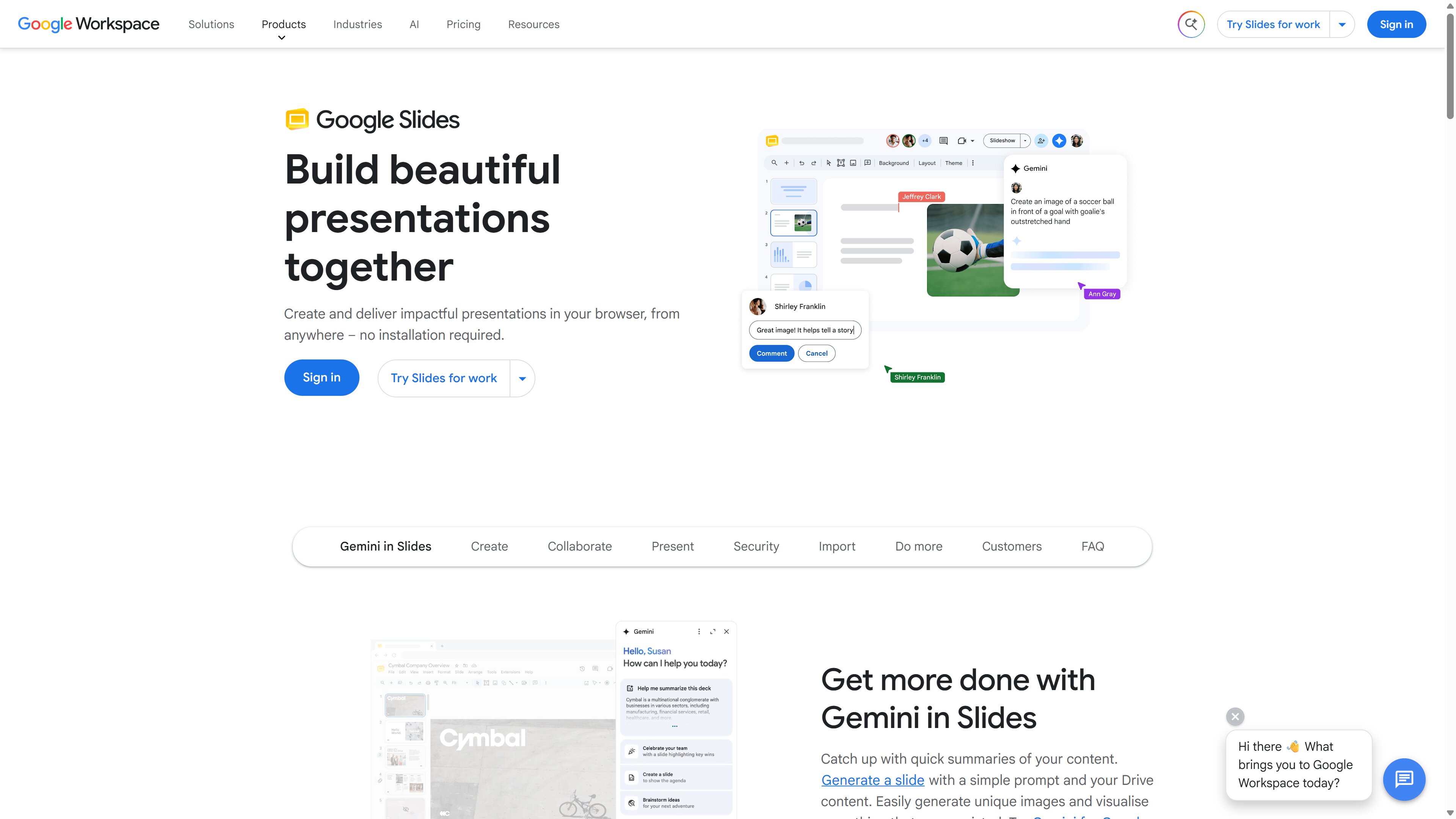
Google Workspace is often the simplest choice because the company already uses it.
A one-page Google Slides battlecard is easy to share and can be formatted for quick reading. Google Docs works for longer competitor profiles, while Sheets can handle feature or pricing comparison tables.
For a small sales organization, that may provide everything required.
The weakness is that Drive manages files rather than competitors. As more people create and edit material, multiple versions can appear. A rep may find several documents for the same competitor without knowing which one contains the approved guidance.
The company also has to build its own ownership and review process. There is no built-in workflow for taking something a rep learns during a deal, reviewing it and incorporating it into the battlecard.
Google Drive therefore works best when the number of cards is small and one person can maintain clear version control.
Teams can start with the free Google Slides competitor battlecard template.
4. Canva
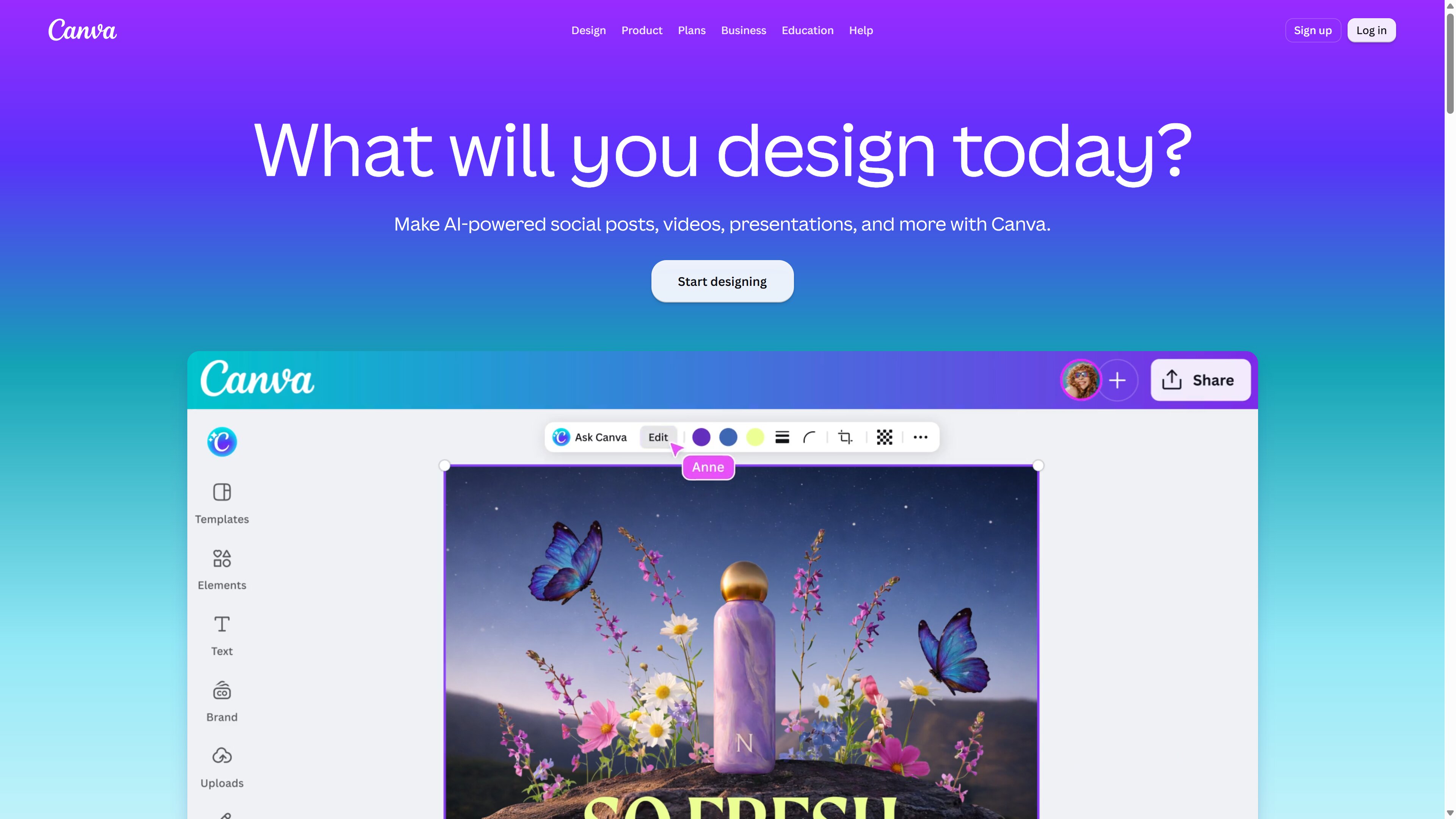
Canva is useful when the visual design of the battlecard is the priority.
It makes it relatively easy to build a clear one-page card with distinct sections for competitor positioning, objection responses and other information a rep needs to scan quickly.
That design flexibility does not make Canva a competitive intelligence system.
Each content update remains a manual edit. Teams still need to manage which version is current, who owns each card and how new information makes its way into the document. Canva also does not connect competitive guidance directly to deal outcomes or provide a structured process for sales reps to contribute field intelligence.
For companies with a small and relatively stable group of competitors, those limitations may not matter.
A free Canva competitor battlecard template is available for teams that want to start this way.
The common limitation across Notion, Google Workspace and Canva is maintenance. Creating the first few battlecards is straightforward. Keeping a larger set of cards current while incorporating what sales learns takes ongoing work.
Broad workflow and document platforms
Confluence and SharePoint sit between simple DIY tools and dedicated competitive intelligence software.
Both can support sophisticated information structures, permissions and governance. Neither was designed specifically around the competitive selling workflow.
5. Confluence
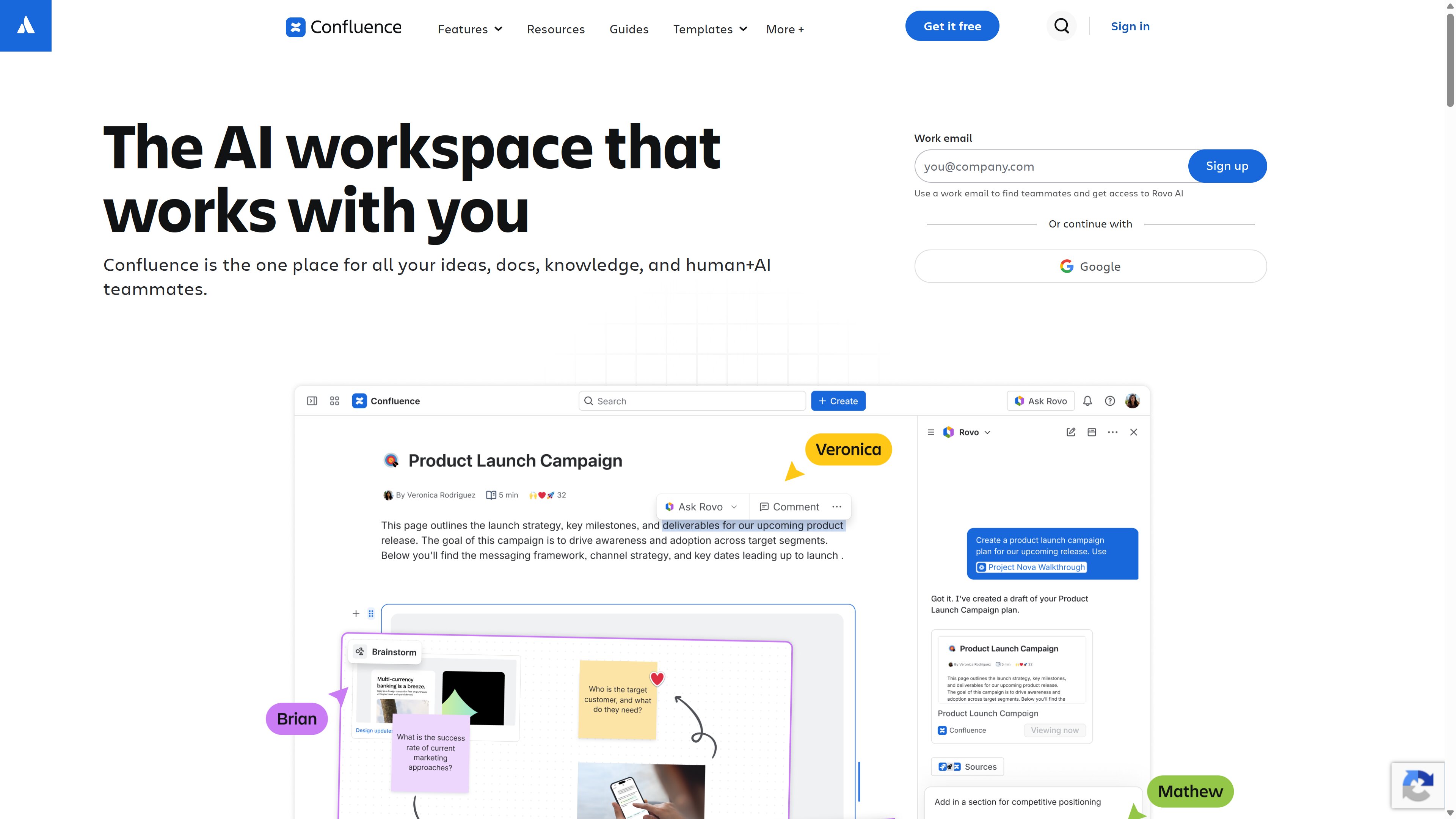
Confluence is a capable enterprise wiki, particularly for companies already using Atlassian.
Atlassian provides competitive analysis templates, and teams can combine spaces, databases, page templates, version history, permissions, automation and Jira integrations to build a structured competitor library.
Rovo adds search, chat, agents and summarisation across Atlassian content. This can be useful when product, engineering and sales all need access to the same competitor research.
The main challenge for sales teams is where that content sits in the rep’s workflow.
Sellers are more likely to spend their day in a CRM, email, Slack, Teams and calls. A battlecard stored several levels inside Confluence requires them to leave those systems and find the correct page.
Large Confluence environments also accumulate old content. Search can retrieve a document without telling the rep whether the competitive guidance itself was recently reviewed and approved.
Rovo can make Atlassian information easier to find, but competitor developments outside the Atlassian environment still have to enter the system somehow.
Confluence can work well when a company already relies heavily on Atlassian, tracks a manageable number of competitors and assigns clear responsibility for reviewing the content.
See Playwise HQ vs Confluence for battlecards for a more detailed comparison.
6. SharePoint
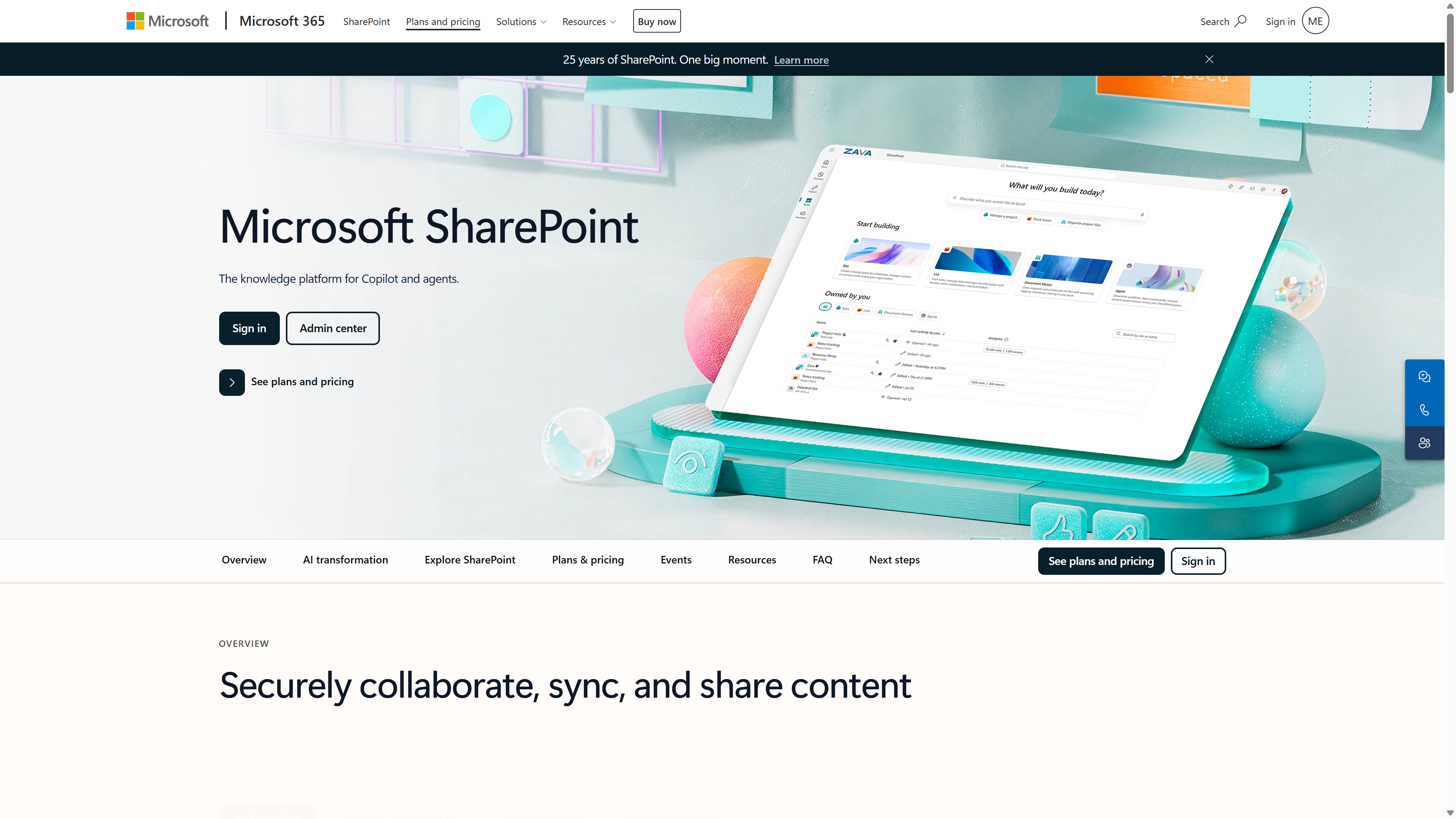
SharePoint provides stronger document governance than most products in this comparison.
Companies can use versioning, approval processes, permissions, retention controls and Microsoft identity management to create a controlled competitive intelligence library. Microsoft Lists can hold structured information such as objection responses, while Power Automate can manage reminders and review processes.
Copilot and SharePoint agents can also help users search and summarise information stored inside the Microsoft environment.
That structure is useful when governance matters more than publishing speed.
For sales teams, findability depends heavily on how the SharePoint environment has been designed. Reps need to know where competitor content lives and which material they should trust.
The process for changing content can also become slower in tightly governed environments. If a competitor changes its pricing or positioning, the person who understands the commercial impact may not have the ability to update the relevant page immediately.
That trade-off may be acceptable in companies where approval and compliance requirements take priority. It is less suitable when competitive guidance changes frequently and sellers need the update quickly.
See Playwise HQ vs SharePoint for battlecards for a fuller comparison.
Confluence and SharePoint may appear inexpensive because many companies already pay for them. The software licence, however, is only part of the cost. Teams still have to build the structure, maintain the content and establish processes for keeping competitive information current.
Purpose-built competitive intelligence platforms
Klue’s closest alternatives are products designed specifically for competitive intelligence.
Crayon and Kompyte both fall into this category, although their strengths are different from those of Playwise HQ.
7. Crayon
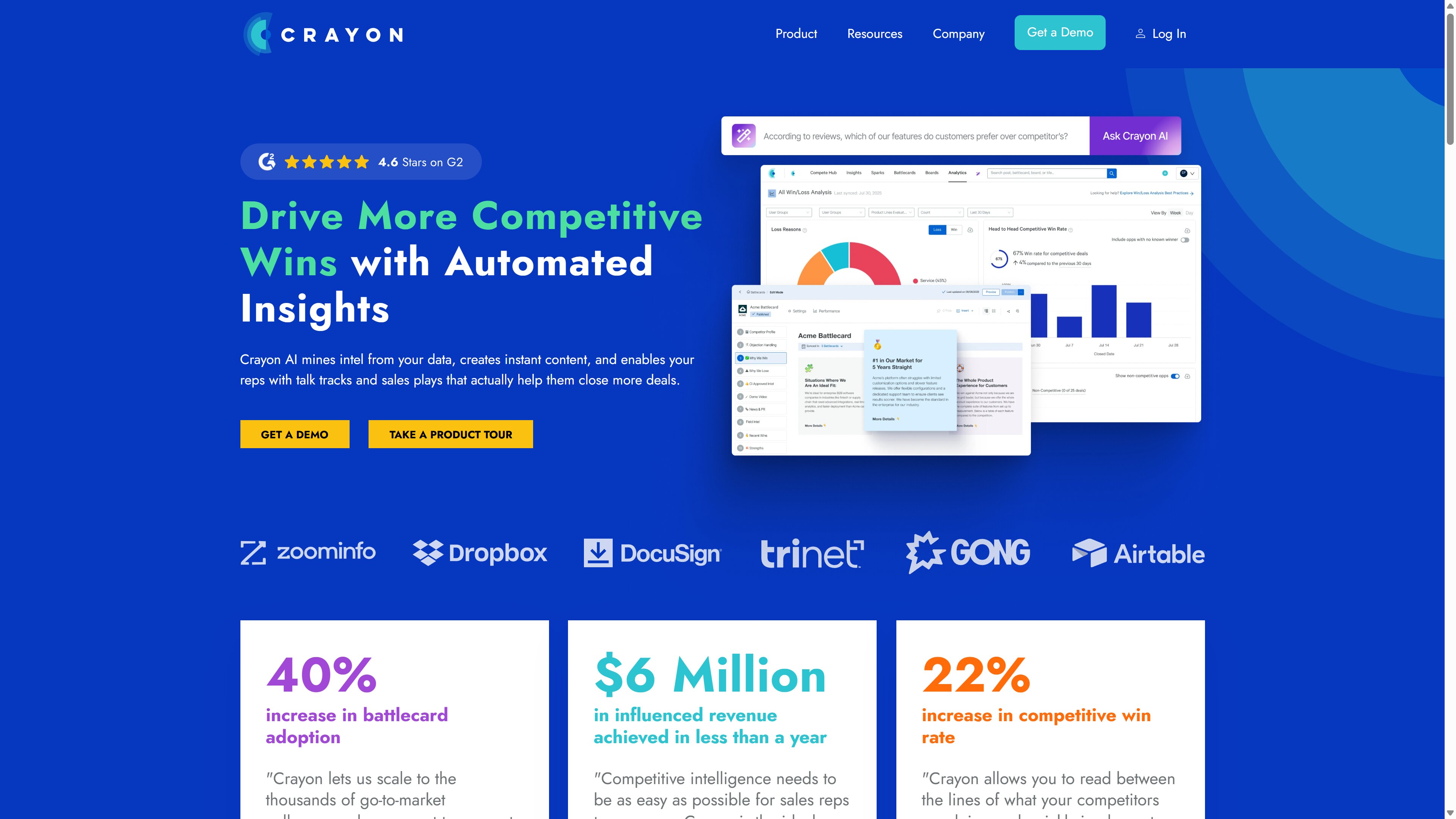
Crayon is particularly strong in competitor monitoring.
The platform tracks more than 100 types of competitive signals across sources including websites, pricing pages, news, social channels and internal call sources.
Sparks helps generate and refresh competitive content. Crayon Answers lets users ask competitive questions through Slack. Crayon also markets an MCP server that can provide competitive intelligence to tools such as ChatGPT and Claude.
Its distribution options include systems such as Highspot, Seismic, Showpad, Salesforce, Slack and Teams.
The trade-off is the amount of information the platform can collect.
Third-party reviewers on G2 and Gartner Peer Insights have described alert volume and relevance as areas that require management. A broad monitoring system works best when someone is responsible for deciding which changes matter to the sales team.
The sources reviewed for this article also describe an implementation and analyst ramp that can run for several weeks. Pricing is quote-based and varies with factors such as the number of competitors tracked. Third-party estimates place annual pricing from the mid five figures into six figures, although buyers should confirm current pricing directly with Crayon.
Choose Crayon when broad monitoring is the priority and your company has a dedicated CI or product marketing owner who can turn that information into useful guidance.
See Playwise HQ vs Crayon for more detail.
8. Kompyte
Kompyte is a competitive intelligence automation platform owned by Semrush, which acquired the company in March 2022.
The product monitors public competitor activity across websites, advertising, reviews, social media, job posts and search. Pricing changes are one of the areas it tracks particularly closely.
Its AI capabilities include Kompyte GPT, AI Daily Summaries and AI Auto Summarize. The platform also combines automated CRM reporting with qualitative win-loss interviews through its IcebergIQ partnership.
Implementation is relatively quick for an enterprise competitive intelligence product, with setup described in the source material as taking days to a couple of weeks and including onboarding support.
Kompyte’s origins are more closely connected to marketing intelligence than sales enablement. Much of the information comes from public digital signals rather than directly from sales reps.
Battlecards sit inside the broader monitoring platform. Third-party reviewers cited in the original research describe the battlecard functionality as relatively light and its AI capabilities as behind some competitors, including the absence of a conversational interface.
The product publishes plan tiers but not dollar pricing. Plans are annual and there is no permanent free tier.
Kompyte makes the most sense for companies already using Semrush that want competitive monitoring closely connected with their marketing stack.
See Playwise HQ vs Kompyte for a direct comparison.
Market intelligence platforms solve a different problem
Contify and AlphaSense sometimes appear in searches for Klue competitors because analyst categories combine competitive intelligence and broader market intelligence.
The products can overlap with Klue in research and monitoring, but their main use cases are different from sales battlecards.
9. Contify
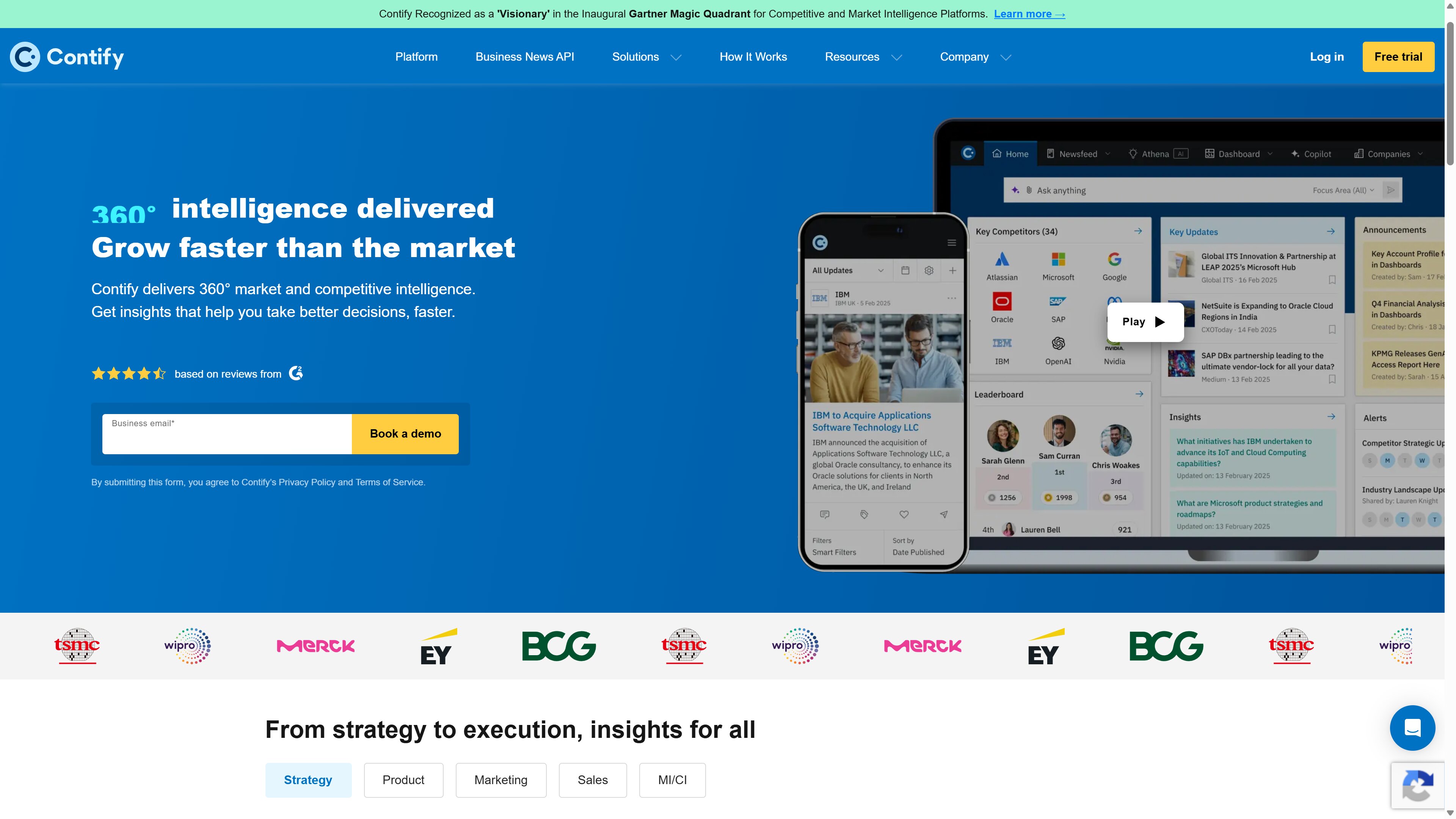
Contify is an AI-based market and competitive intelligence platform designed to collect and organise information from a large number of external sources.
According to the source material reviewed for this article, it covers more than one million sources across more than 117 languages and combines automated filtering with human review.
Its Athena AI capabilities include Business Facts, Automated Insights, Ask Athena and automated battlecards.
Contify can also ingest internal information from systems such as Gong, Slack, Teams, email, SharePoint and CRM platforms. A Business News API is available for companies that want to use its data elsewhere.
The distinction is how the product is organised.
Battlecards are one output of a larger monitoring system that also includes dashboards, newsletters, taxonomies and information distribution across departments such as strategy, CI, product and marketing.
Getting the most from the platform therefore involves configuring sources, taxonomies, prompts, dashboards and views for different users.
Public dollar pricing was not available in the sources reviewed for this comparison. Contify offers a seven-day trial rather than a permanent free plan.
Choose Contify when your requirement extends beyond sales battlecards and includes broad multilingual monitoring across several business functions.
See Playwise HQ vs Contify for more detail.
10. AlphaSense
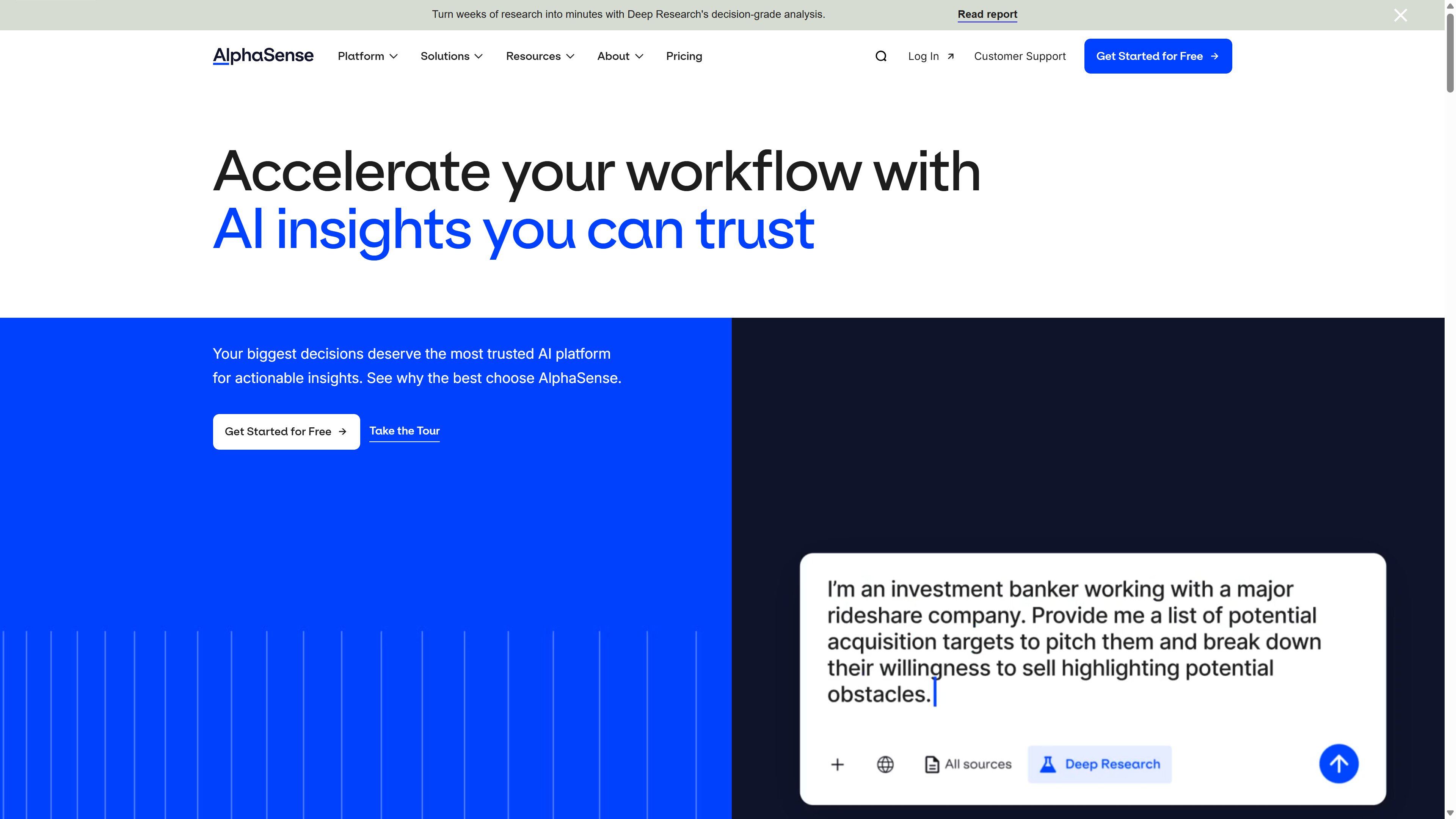
AlphaSense is primarily an enterprise research platform.
Its content library includes more than 500 million premium documents, along with broker research, expert transcripts, company filings, financial data and Canalyst models. It also provides an Excel add-in.
AI capabilities include Generative Search, Deep Research and SuperAnalyst, with source citations designed to make research outputs auditable.
That addresses a different question from a sales battlecard.
AlphaSense helps analysts understand companies, industries and markets. A competitor battlecard tells a salesperson how to position against a specific competitor during an opportunity.
AlphaSense does not focus on sales battlecards or objection talk tracks because those are not the primary jobs the product is designed to perform.
G2 information cited in the source material reports an implementation period of roughly two months and a meaningful learning curve. Pricing is quote-based per seat, with third-party estimates around $10,000 to $20,000 per user each year. There is no permanent free tier.
AlphaSense is therefore a better fit for users in strategy, finance, corporate development and research.
Some large companies may use a research platform such as AlphaSense alongside a separate competitive sales enablement product.
See Playwise HQ vs AlphaSense for more detail.
How to choose the right Klue alternative
The first question is who owns competitive intelligence inside your company.
If you have a dedicated CI or product marketing team with the time and budget to manage a formal program, Klue or Crayon may make sense. If the work sits with sales leadership, sales enablement, RevOps or a founder, a narrower product such as Playwise HQ may be easier to operate.
Next, consider implementation time.
A company comfortable with a multi-week implementation and analyst ramp can evaluate the larger enterprise platforms. A team that needs battlecards for upcoming deals may prefer Playwise HQ or a free template that can be deployed immediately.
The source of your competitive information matters as well.
Crayon, Kompyte and Contify focus heavily on external monitoring. AlphaSense is strongest when users need premium research, company filings, financial data and expert material. Playwise HQ places more emphasis on information coming back from sales reps and competitive opportunities.
You should also decide whether sales reps only need to read competitive guidance or should contribute to it.
A wiki or document system can work when the process is primarily one-way publishing. Companies that want sellers to submit information from active deals need an additional workflow for moderation, approval and updating the guidance.
Finally, compare how each product is priced and what internal work remains after purchase.
Klue, Crayon, Kompyte, AlphaSense and Contify use quote-based pricing according to the sources reviewed for this article. Notion, Confluence and SharePoint generally have visible per-seat pricing or may already be part of the company’s software stack, but the company still has to create and maintain its own competitive intelligence system.
Playwise HQ publishes its pricing and includes a permanent free plan.
Which Klue alternative should you choose?
Companies with a mature competitive intelligence function, dedicated ownership and a formal win-loss research program may find that Klue already fits what they need.
Companies building their first battlecards do not necessarily need to buy enterprise CI software. Starting with two or three competitors in Notion, Google Slides, Canva or a free battlecard product gives the team a chance to test whether sellers use the guidance.
The decision changes once maintaining the system becomes the problem.
If battlecards regularly become outdated, reps stop opening them, useful information remains in calls and Slack conversations, or the company cannot connect competitive guidance with actual deal outcomes, a purpose-built platform can remove much of that manual work.
That is the use case Playwise HQ is designed around. It combines sales-facing battlecards, persona-based objection handling, moderated field intelligence and competitive win-loss themes without requiring the company to establish a dedicated CI function.
Teams can start free with up to 5 users and 5 battlecards. The free plan does not require a credit card, implementation project or sales call.
Frequently asked questions
What is the best Klue alternative?
The answer depends on what you use Klue for.
Playwise HQ is suited to sales teams that primarily need competitor battlecards, objection handling, rep-sourced competitive information and win-loss themes without a larger CI rollout.
Crayon is stronger when broad competitor monitoring is the main requirement.
Klue itself remains a stronger fit when the company needs formal win-loss research and broader competitive intelligence program management.
What is the best free Klue alternative?
Playwise HQ has a permanent free plan for up to 5 users and 5 battlecards and is the only purpose-built battlecard product among the free options compared in this article.
Notion, Google Slides and Canva are also workable free alternatives. Each requires the company to design and maintain its own battlecard system.
How much does Klue cost?
Klue does not publish self-service pricing in the public sources reviewed for this article. Buyers typically speak with the company and receive a custom quote.
Among the alternatives covered here, Playwise HQ publishes its pricing, with a free plan, Pro from $250 per month and Enterprise from $450 per month.
Crayon, Kompyte, AlphaSense and Contify also use quote-based pricing in the sources reviewed.
Klue vs Crayon: which is better?
Klue and Crayon have different strengths.
Klue provides deeper formal win-loss research and supports a structured competitive intelligence program.
Crayon is particularly strong in competitor monitoring and tracks more than 100 types of competitive signals.
Both are better suited to companies that can assign someone to own the competitive intelligence program and support a larger implementation.
Can I use Notion or Confluence instead of Klue?
Yes, particularly when the company tracks a small number of competitors and one person is responsible for maintaining the content.
Both products can support a useful battlecard library.
The limitations become more important as the program grows. Pages can become outdated, sales adoption may fall, field intelligence has to be collected manually and the company needs another process for connecting competitive guidance with won and lost deals.
Those are common reasons to move to a purpose-built competitor battlecard platform.
Why do AlphaSense and Contify appear in searches for Klue alternatives?
Competitive intelligence and market intelligence are sometimes grouped into the same analyst and search categories.
AlphaSense and Contify primarily help companies research markets, businesses and external developments.
Klue, Crayon, Kompyte and Playwise HQ are more closely connected to competitive selling and sales enablement, although the amount of emphasis each product puts on battlecards varies.
Does Playwise HQ replace Klue?
It can replace Klue for companies whose main requirements are sales battlecards, objection handling, competitive deal outcomes and information contributed by sales reps.
It is not intended to reproduce every part of Klue’s platform.
Companies that need Klue’s broader enterprise CI workflows, AI interviews, expert-led win-loss research or program-level reporting may still prefer Klue.
How long does it take to switch from Klue?
A practical migration starts with the three to five competitors your sales team encounters most often.
Existing positioning and objection guidance can be moved across first. AI can then help create drafts for missing sections, after which sales reps can contribute information from active opportunities.
The source material for this article states that teams can have usable Playwise HQ cards on the same day rather than waiting for a longer enterprise implementation.
Klue, Crayon, Kompyte, AlphaSense, Contify, Notion, Confluence, SharePoint and Canva are trademarks of their respective owners. Playwise HQ is not affiliated with, endorsed by or sponsored by those companies. This comparison reflects Playwise HQ’s point of view and uses publicly available product and pricing information reviewed through July 2026. Vendor capabilities, pricing and packaging can change, so buyers should confirm current terms directly with each provider.